Ensuring the security of your home often begins with well-maintained locks. However, deciding when to rekey or replace them can confuse homeowners. While there isn’t a strict rule, several factors influence the frequency of replacing or rekeying locks, including security needs, the age of the locks, and any changes in household occupancy. Here’s a helpful guide on when you should consider rekeying or replacing your home’s locks to maintain optimal security.
When to Replace Your Locks
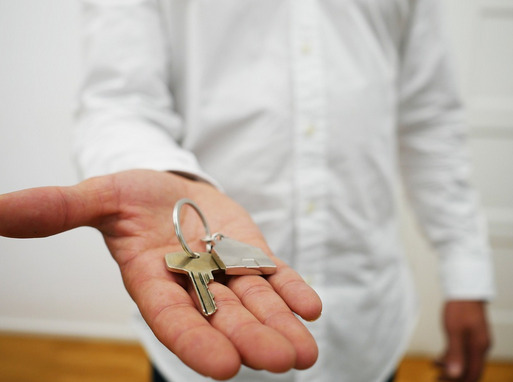
Replacing locks involves removing the old lock and installing a new one, and this should only be done by a trusted emergency locksmith Austin. This option is necessary if your current locks are outdated or malfunctioning or if you want to upgrade your home’s security. Lock replacement is also a chance to invest in higher-quality or modern locks, such as smart or high-security ones offering advanced security features. Generally, it’s recommended to replace your locks every seven to ten years, depending on wear and tear. Exposure to weather, frequent use, and general aging can deteriorate a lock’s functionality over time. If your locks show signs of rust, sticking, or becoming difficult to turn, replacing them ensures you maintain smooth, secure access to your home.
Key Indicators That It’s Time to Rekey or Replace Locks
While age is one factor, other signs indicate it might be time to update your locks. If you experience a break-in or attempted break-in, replacing the locks should be done immediately, as tampered locks may be compromised. Additionally, suppose you notice a buildup of rust or difficulty in smoothly turning the key. In that case, these are clear indicators that the lock’s performance has deteriorated and may no longer be reliable.
For those with smart locks or high-security locks, replacement timing can vary. Smart locks generally benefit from regular software updates, but it might be time for an upgrade if the hardware becomes unresponsive or the lock frequently loses connection. Similarly, high-security locks with intricate mechanisms might wear down and benefit from timely replacement to maintain their effectiveness.
Smart and High-Security Lock Upgrades
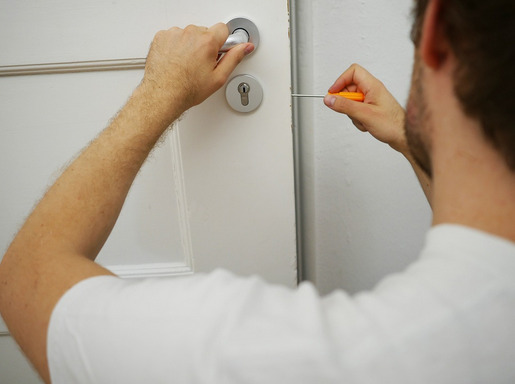
As security technology advances, many homeowners choose to replace traditional locks with smart locks or high-security options. These options provide the added benefit of keyless entry, remote access, and tracking, allowing homeowners to monitor and control access from mobile devices. While smart locks typically last several years with regular maintenance, they may require occasional upgrades to stay compatible with new software or security protocols.
High-security locks, such as those with complex keyways or anti-pick designs, are built to withstand tampering and forced entry. These locks generally have longer lifespans than standard locks but should be replaced every 10–15 years to stay ahead of evolving security threats. If you live in a high-traffic area or experience frequent security issues, upgrading to high-security locks can offer valuable peace of mind.
Periodic Checks for Long-Term Security
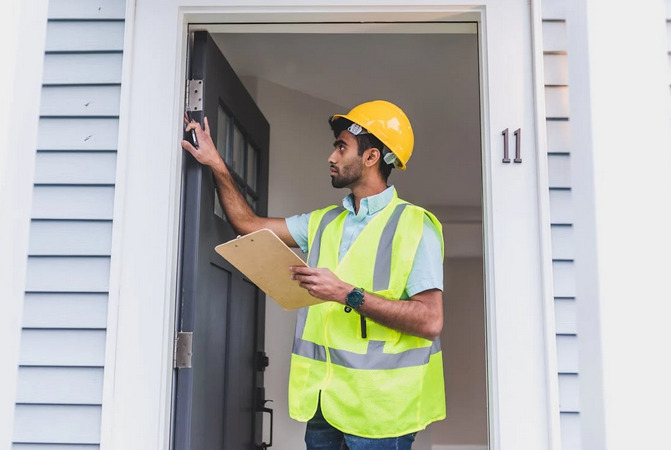
To maintain reliable home security, it’s wise to conduct periodic checks on your locks every couple of years. Test each lock for smooth functionality and observe any signs of wear. This is especially important if you have locks on entry doors, which are the most used. Inspecting your locks regularly allows you to identify early signs of wear or tampering and rekey or replace them as needed before a security issue arises.
Rekeying and replacing locks are both valuable strategies for maintaining home security. Rekeying offers a quick, cost-effective way to change access when needed, while replacing locks provides the opportunity to improve security and functionality, particularly when locks are old or worn. By rekeying locks every few years and replacing them approximately every decade, you can ensure your home remains secure and that you’re always in control of who has access to your property. Regular lock maintenance is essential to home safety, providing peace of mind for you and your family.