You’re standing in your half-finished extension, imagining summer air, louder laughter, and a back wall that finally feels open. Then the choice lands on your lap: bifold or sliding. If you want a solid starting point, a professional behind remarkable Durajoin Aluminium Windows and Doors can help you see the perfect aluminium options that suit your home. Now let’s sort the decision with plain talk, not showroom poetry.
Space and Furniture Flow
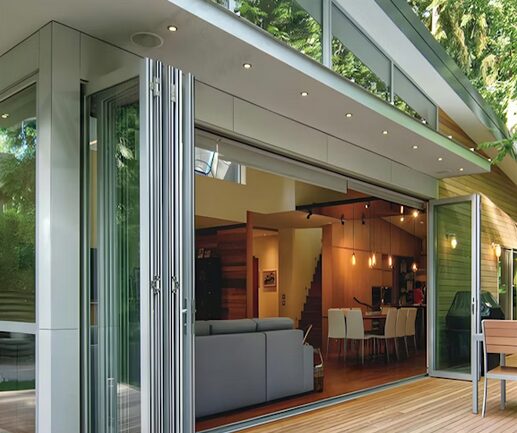
Bifold systems fold and stack, so they need a “parking” spot at the side. That stack can nibble into wall space where you wanted a chair, a plant, or a radiator. If your extension is narrow, that lost slice can feel bigger than it sounds. Think of it like a suitcase left in the hallway: you’ll step around it forever. Sliding systems don’t stack because panels glide behind each other. Your side walls stay clearer, which helps with furniture and sockets. The trade-off is simple: only part of the opening is fully open at one time. If you dream of the whole wall vanishing, sliding may feel like a half-smile.
The View and the Opening
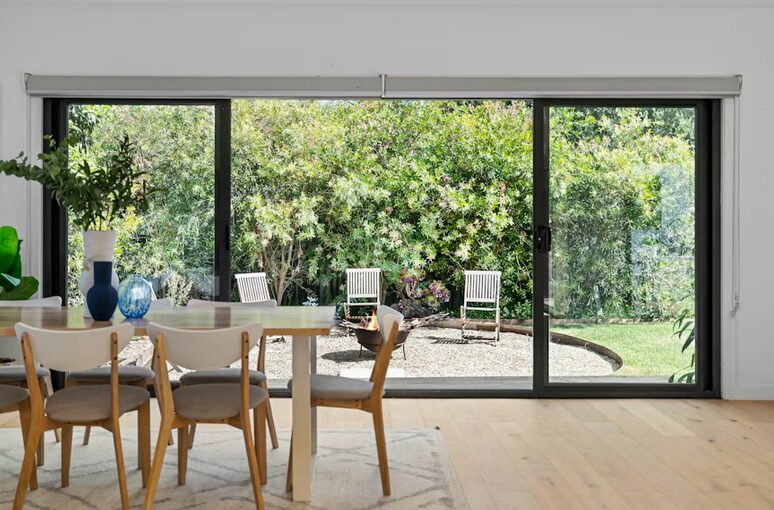
 Bifolds shine when you want a wide, party-ready opening. They let you peel back multiple panels and make the inside and outside mingle. It’s great for BBQ traffic and kids sprinting in and out. But you will have more vertical frame lines across the view, which some people notice every single morning. Sliding doors win on clean sightlines. Fewer frame breaks can make the garden look like a giant framed picture. They’re also handy when you’re carrying trays, because nothing swings into your path. Still, you won’t get that full “accordion” opening, so decide what you value more: max opening or max view.
Comfort, Noise, and Day-To-Day Feel
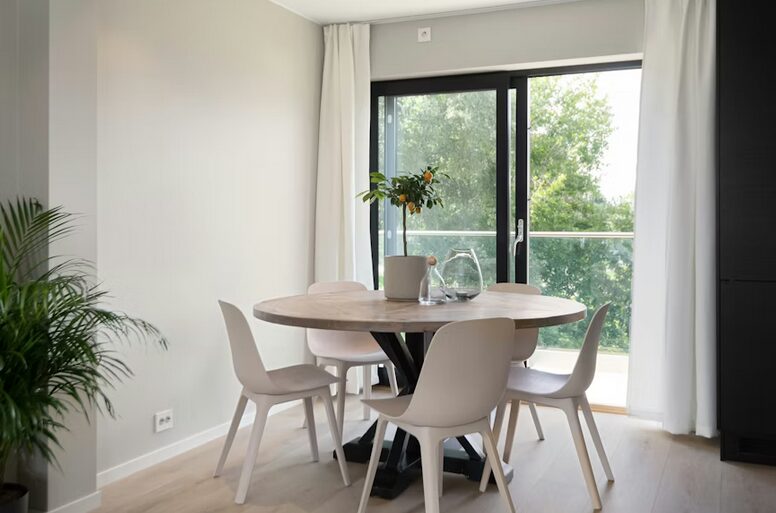
Both types can perform well if the glazing and hardware are right. Focus on glass spec, seals, and how the system shuts, because drafts are mood killers. If your extension faces traffic, ask about acoustic glass options. Good frames plus the right glass can make a noticeable difference at dinner. Daily life also matters. Bifolds have multiple moving leaves, so you’ll handle more handles, more hinges, and more points of adjustment over time. Sliding panels are heavier, yet the routine is often simpler: slide, latch, done. If you’re the kind of person who likes “one motion and finished,” sliding can feel calmer.
Cost, Installation, and a Quick Pick List
Prices swing based on size, glass choice, and hardware grade, so don’t judge by one quote. Bigger openings need a solid structure, and that can add to the bill for either style. Installation quality matters as much as the product, because a great system fitted poorly is still a headache. Ask who measures, who installs, and what happens if something needs tweaking after.
Use this quick pick list. Choose bifolds if you want the widest opening, you host often, and you have space for the panel stack. Choose sliding if you want cleaner views, simpler daily use, and you’d rather keep side walls free. If you want guidance that feels human, check the ranges and project support offered by Durajoin, then match the system to how your home actually moves.